
Forest, garden & greenhouse
We observe seasonal changes, care for plants and learn through time outdoors.
Home / Learning & activities
Çam Ağacı Preschool · Atakum
At our Kurupelit and Balaç campuses in Atakum, learning begins with children’s play, questions and pace of development. We plan daily experiences in line with Türkiye’s Ministry of National Education preschool programme and the age-related framework of the Türkiye Century Education Model.
Many ways to explore, wonder and learn.
Learning & activities
Play, language, movement, art and nature are part of everyday life. We shape experiences around children’s age, interests and development.
We observe seasonal changes, care for plants and learn through time outdoors.
Simple experiments and building activities encourage children to try, compare and look for solutions.
Songs, stories, games and short conversations help children become familiar with new languages.
A story, image or question can open a conversation where children practise explaining ideas and listening to others.
Small shared projects let children notice needs, make choices and work towards a common purpose.
Children practise taking turns, considering choices, spotting patterns and creating rules together.
Age-appropriate activities support balance, coordination, body awareness and confidence.
Our full-time psychologist follows development. School-readiness activities support the transition to primary school for the relevant age group.
MEB programme · Türkiye Century Education Model
As a private school affiliated with the Turkish Ministry of National Education, we plan our preschool education within the national programme. We connect the preschool framework of the Türkiye Century Education Model to daily experiences that respect each child’s age, development and readiness.
As children invent games, they try ideas, make choices, negotiate with peers and ask new questions. We make room for both child-led play and teacher-guided experiences.
Language, mathematics, science, social learning, movement and health, art and music meet in everyday experiences rather than standing apart as isolated subjects.
Communication, cooperation and self-expression sit alongside social-emotional learning, literacy, curiosity, playfulness, creativity, responsibility and respect as connected parts of children’s experiences.
The programme’s age-related learning outcomes and process components for 36–48, 48–60 and 60–72 months guide planning. Teacher observations help us enrich or support experiences while respecting each child’s pace.
One of the inspirations behind our approach
Friedrich Wilhelm August Fröbel (1782–1852) was a German educator and a pioneer in early childhood education. In 1840, he established the first kindergarten in Blankenburg and gave it the name “Kindergarten”, meaning “children’s garden”. The image of a garden reflects a view of development that is nurtured with care rather than hurried toward a fixed result.
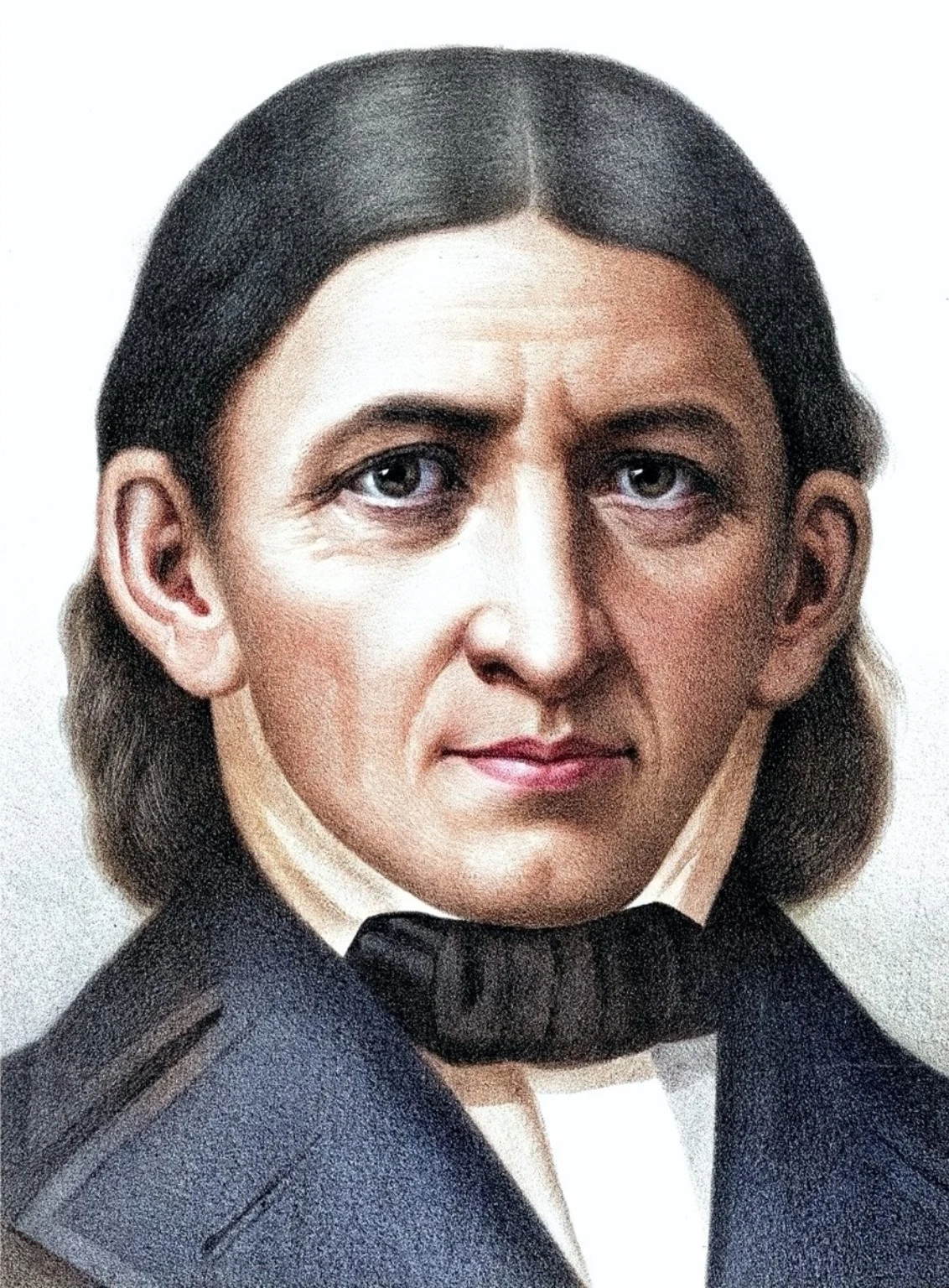
In Fröbel’s approach, play is one of the ways children make sense of the world. Children do more than listen: they touch, build, try, ask and express their own ideas.
Gardens, forests, seasons and natural materials offer real opportunities to observe, notice change and connect with the surrounding world.
Fröbel’s term “Kindergarten” refers to early childhood education, not primary school. The idea of a place shaped by play and respect for each child’s pace still speaks to us.
Inspired by Fröbel’s ideas about play, environment and active participation, we developed our own campus rotation. On planned Fröbel Exchange days, selected classes visit the other campus with their teachers, meet new peers and join shared play. Çam Dostum pairings help children feel welcomed and secure.
We do not claim to reproduce Fröbel’s historical method. We take inspiration from his thinking about children, play and nature, while planning our education around the MEB programme and children’s needs.
Visit us to learn more about our programme.
Contact us to arrange a visit →